
The Allure of Risk in Gambling
Gambling, particularly in casinos, is a captivating endeavor that intertwines excitement with risk. The thrill of placing a bet and the uncertainty of the outcome create a unique adrenaline rush, pulling individuals into the vibrant world of gaming. Many players also seek out the best casinos not on gamstop, where they can enjoy a more relaxed atmosphere. This attraction to risk is deeply rooted in human psychology, where the potential for reward can often overshadow the reality of loss.
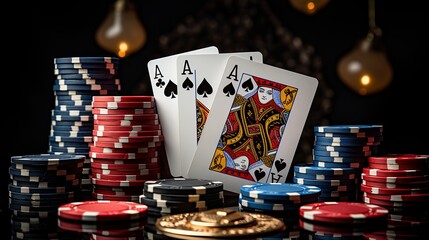
The allure of risk is further magnified by the casino environment itself. Bright lights, enticing sounds, and the presence of other players create an atmosphere that enhances the desire to take risks. This sensory experience feeds into our brain’s reward system, making it more likely for individuals to seek out these gambling opportunities, even when the odds are stacked against them.
The Role of Emotion in Gambling Behavior
Emotion plays a significant role in why individuals choose to gamble. Many people enter casinos seeking an escape from their daily pressures, looking for excitement and joy. The act of gambling can trigger positive emotions, such as exhilaration and hope, as players visualize themselves winning big. This emotional high can create a cyclical pattern of behavior, where individuals continue to gamble to recapture that initial thrill.
Conversely, the emotional repercussions of losing can lead to a phenomenon known as “chasing losses.” This occurs when gamblers continue to bet in the hopes of recouping previous losses, further entrenching them in the cycle of risk. The emotional landscape of gambling is complex, often leading players to make irrational decisions fueled by their feelings rather than logical reasoning.
Cognitive Biases and Decision Making
Cognitive biases significantly influence how individuals perceive risk in gambling. Players often fall victim to the “gambler’s fallacy,” where they believe that past events can influence future outcomes in games of chance. This misconception leads many to assume that they are “due” for a win after a series of losses, which can perpetuate gambling behavior.
Additionally, the concept of “near misses” plays a crucial role in reinforcing gambling habits. When players come close to winning, their brains release dopamine, making them feel as if they were on the verge of success. This misleading sensation can encourage continued gambling, making it difficult for individuals to recognize the actual risks involved.
The Social Aspect of Casino Gambling
The social environment of casinos also impacts gambling behavior. Many individuals are drawn to the communal aspect of gaming, finding enjoyment in the shared experiences with friends or fellow gamblers. This social interaction can make gambling feel more acceptable and less risky, as players engage in conversation and camaraderie while betting.
Moreover, the competitive nature of gambling can stimulate a desire to win, which can amplify the risk-taking behavior. The presence of others can embolden individuals to place larger bets or try new games, often leading to increased risk without fully assessing the potential consequences. The blend of social interaction and competition significantly influences why people are drawn to gamble in casinos.

Understanding the Website’s Commitment to Safety and Security
This website prioritizes the safety and security of its users, leveraging advanced measures to protect content from various online threats. As part of this commitment, users might occasionally face access blocks due to enhanced security protocols. Should you encounter such a block, we encourage you to reach out to the site owner with details of your actions for prompt resolution.
Maintained by Cloudflare, the website ensures reliable performance and security for all visitors. Our dedication extends to creating an informative and trustworthy space for exploring topics like the psychology of gambling, ensuring that users can navigate freely and safely as they learn about the complexities of risk and decision-making in casinos.